
Our Work: Impact Initiatives
As a social enterprise, Motive has a unique for-profit/not-for-profit hybrid business model. We generate revenue through programs and training 100% aligned to our mission of mitigating global conflict and instability. We then invest client-generated revenue into not-for-profit impact initiatives to further advance this mission. We’ve self-funded deployments of experts to frontline conflicts. We routinely sponsor student research and service projects around the world. We test new concepts in the field and publish findings to enhance our community of practice. And we provide lifelong, pro-bono reach-back support to all Motive alumni to help them translate concepts from our classroom into real-world impacts.
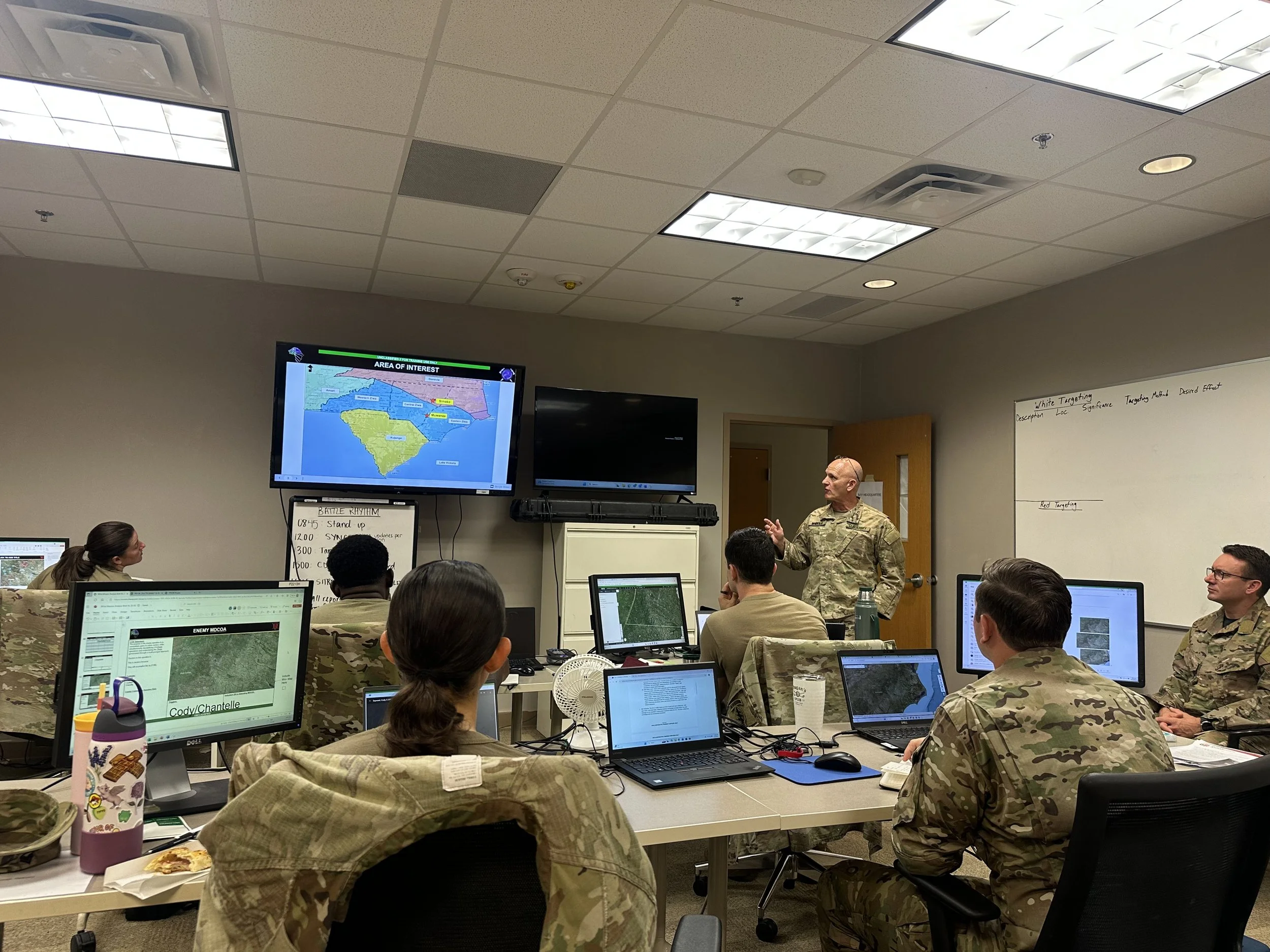
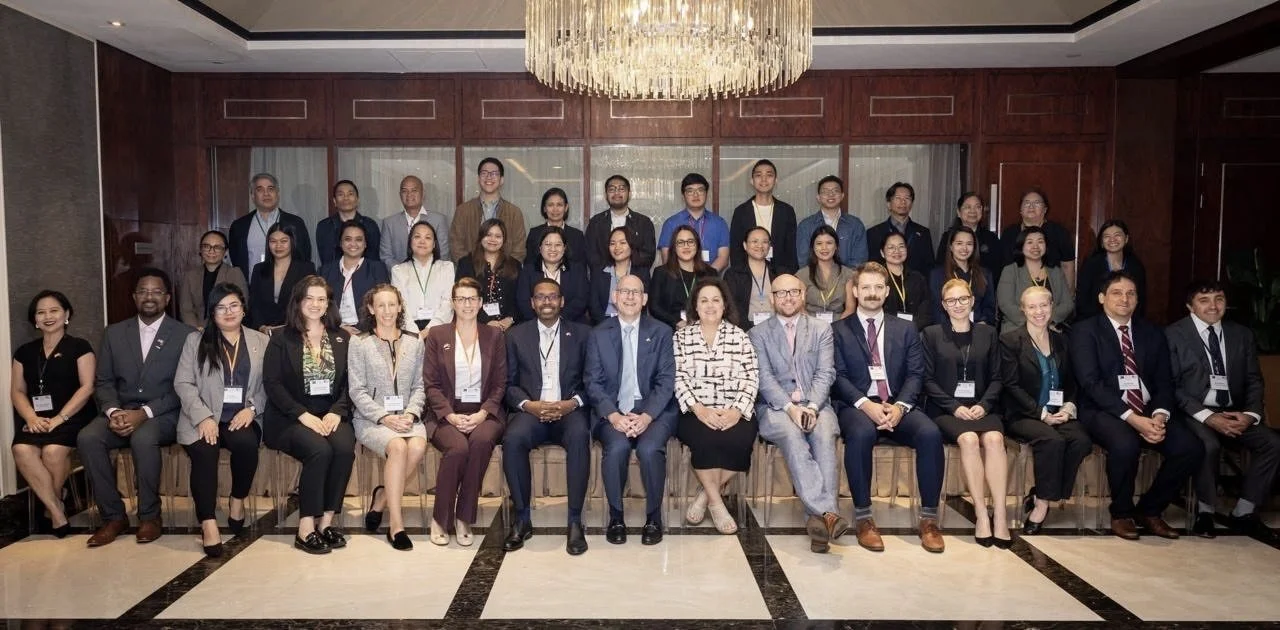
The PHL SIMEX validated that the Philippine Government's new FDI screening regime and policy position are sufficient to block high-stakes investments, such as the Chinese transaction in the national power grid. The exercise also highlighted key challenges, revealing that the IIPCC needs to improve interagency coordination, streamline bureaucratic procedures, and build capacity in mitigation strategy and negotiation tactics.
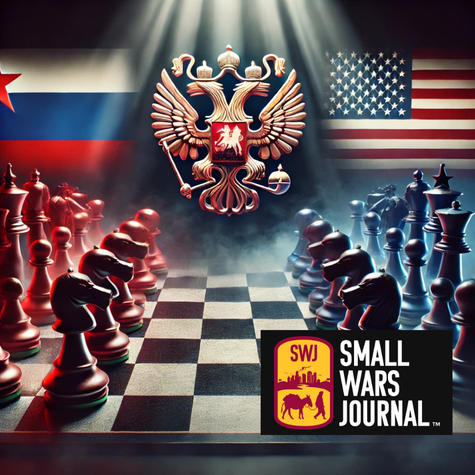
America was once a nation of stories. Freedom. Justice. The lone cowboy carving his own fate. The immigrant who builds something from nothing. The dream that anyone—anyone—could make it.

Adam Day advances a nearly unthinkable contention with his book States of Disorder, Ecosystems of Governance: failing states are not actually in disorder. Instead, he argues that failing states demonstrate a different kind of self-organization and that persistent instability is, in fact, the success of system organization—just a system oriented toward instability instead of stability.


Participating alongside 100+ global social entrepreneurs and changemakers, Motive formed a civilian-military team and participated in a 2-day virtual Impactathon August 21-22, 2020, taking second place among 25 teams for the most innovative approach to addressing extreme poverty.
Hosted by the NGOs Innov8Social and Join the Journey, the Impactathon challenged teams of participants to produce a social enterprise business model in less than 48 hours that could contribute to the UN Sustainable Development Goal #1 to end poverty in all forms by 2030.

The current mass exodus of Venezuelans fleeing violence, economic collapse, and political instability in their home country is the largest migratory movement in Latin American history. Desperate to identify more effective and holistic policy and programmatic options to address the Venezuelan Migrant crisis, stakeholders in the region have expressed a need for a systems-level analysis to inform better strategies. This need inspired our team to conduct desk-based and in-country research relying on the rigorous and participatory Transforming Crisis Systems (TCS) approach.

In April and May of 2019, a team of Motive International experts composed of Dr. Salamah Magnuson, Morgan Keay and Kimberly Metcalf conducted an investigation of societal dynamics in Estonia through in-country field research focused on social cohesion and national security. The purpose of this initiative was to apply Motive’s Social Contract Assessment Tool (SCAT), a framework designed to identify and characterize social institutions and the sources of legitimacy that underpin them in transitioning or threatened societies in order to inform policies, plans and activities to mitigate threats and promote stability.